Iran has signalled a hardening stance on the Strait of Hormuz, with a senior parliamentarian asserting that the country will “never” give up control over the strategic waterway, calling it a core element of national sovereignty.
The remarks come as Iran’s Parliament moves to formalise its authority through a proposed law that could significantly alter maritime access. The draft legislation seeks to bar Israeli-linked vessels, mandate prior approval for ships from “hostile countries”, and deny passage to states accused of causing damage to Iran until reparations are paid.
Advertisement
Iran links sovereignty to maritime control
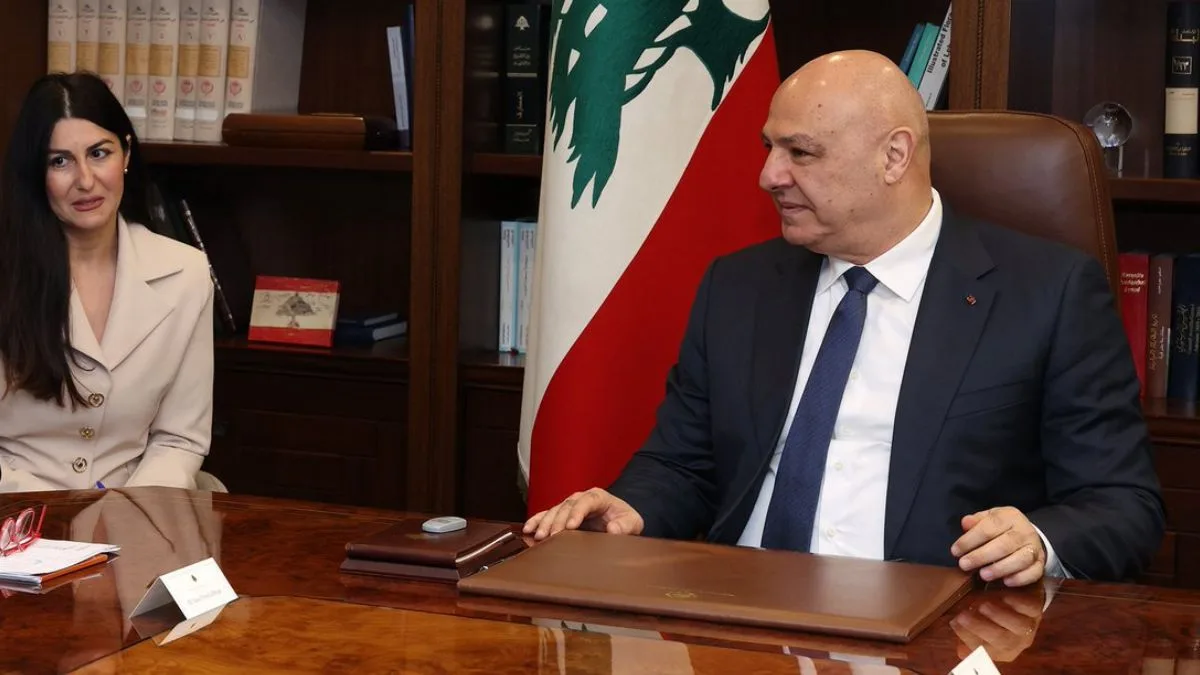
According to Iranian state media Press TV, Ebrahim Azizi, chairman of the Parliament’s National Security and Foreign Policy Committee, said the Strait would remain firmly under Iran’s command. Responding to a question on whether Tehran would ever consider relinquishing control, Azizi replied, “Never,” adding that such authority is an “inalienable right”.
Azizi, a former IRGC commander, said Iran intends to regulate the “right of passage”, including issuing “permissions for vessels to pass through the Strait”.
He cited Article 110 of Iran’s Constitution as the basis for the proposed legislation, which focuses on environmental safeguards, maritime security, and national defence. The enforcement, he said, would fall to the armed forces.
Bill proposes tighter checks on ‘hostile’ nations
The draft bill, currently being discussed in parliament, is aimed at establishing a legal framework for Iran to oversee shipping activity in one of the world’s most critical energy corridors.
Under the proposal, vessels linked to Israel could face an outright ban, while ships from countries deemed hostile would need clearance from Iran’s Supreme National Security Council. Nations accused of harming Iran may be blocked from using the route until compensation claims are settled.
Iranian officials believe the recent conflict with the US and Israel has reinforced the strategic value of the Strait, viewing control over maritime traffic as a lever to restore deterrence and project long-term influence.
Tensions linger despite ceasefire announcement
Mohammad Eslami, a research fellow at the University of Tehran, said discussions with other countries may continue, but emphasised that “control is the bottom line.”
Azizi also pushed back against criticism from regional actors, particularly the United Arab Emirates, rejecting allegations of aggressive conduct. As reported by Press TV, he accused certain Persian Gulf states of having “sold our region to the Americans” and described Washington as “the biggest pirate in the world,” pointing to US military bases across West Asia.
His remarks come amid fresh tensions at sea. Reports suggest US forces recently boarded an Iranian merchant vessel, Touska, in the Sea of Oman and disrupted its navigation systems while it was travelling from China. In response, Iranian units are said to have launched drone strikes targeting US naval assets in the area.
The ceasefire, announced by US President Donald Trump after Iran agreed to a peace proposal, was always fragile. And now, with ships being stopped, boarded, and warships still crowding the waters, the calm feels more like a pause than peace. Around the Strait of Hormuz, the tension hasn’t really eased; it’s just waiting for the next spark.